
I found myself arriving at a Christian writers conference called Write to Publish on the heels of a small aspirational existential crisis. Just a few days prior, I had written to a friend:
———
I looked up the definition of “success” and Google said, “the accomplishment of an aim or purpose.” I guess that’s true. Jesus has paid it all.
The other day, I felt discouraged because I’m not reading, writing, or serving enough with the little time I have outside of work. I wanted to be a respected reader in academic/professional circles. When I go to a writing conference next week, I want to be respected as an advancing, aspiring fantasy author. I want my college fellowship to respect me as a believer actively sharing my faith…. But I felt like an imposter in all three areas. If I look at it a different way, this internship fulfills all of that: it is professional success, it is a dream job in publishing, and it is part of the bigger Christian mission of Tyndale House Ministries. I could put my identity in that if I want to. Attaining respect isn’t an issue. But my pride is an issue.

I’ve always clung to this dream of being a fantasy author, but I’m having second thoughts this week. It is hard to find the energy and motivation to work on my novel during the week, and then today I had plenty of time and hypothetically, the energy as well. But I’m not motivated. The enjoyment is gone. I’m not sure whether I want someone to encourage me, to tell me that it will be worth it, that it is possible to fit writing in my life, that I can build stronger creative habits and become a published author one day and impact readers with beautiful story themes. I’m not sure if I want someone to tell me that or to tell me that it is OK to stop writing novels, to give up on that dream, to just write as I feel like it—that I don’t need to be a published author to be fulfilled. I can build up other authors instead.
It is so strange that I feel closer and farther from fulfilling “my purposes” than I ever have before. But Christ fulfilled everything for me on the cross. I could never be enough or do enough to save myself. My only hope is in His words, “It is finished.”
———
I don’t think I’m giving up on being a fantasy author quite yet, but my aspirations look very different from how they did before. I went to the Write to Publish conference still wrestling with questions about purpose and future.
Have I come to any conclusions? Not yet. But I came away with new friendships, connections, some clarification, and a few lessons.
Blog Post Agenda Items
Yes, I know this is a long blog post. No, you don’t have to read all of it (or any of it!). I just figured that I would record this as much as I can since the registration was a $600 value.
- Two Thank Yous
- A Chicken Consultant and Other Remarkable People
- We Laughed, We Cried
- Four Lessons of Faith and Writing
- Your Turn + More Free Conference Notes
Two Thank Yous
A huge thank you to Cec Murphey for his generosity in funding me and several other writers! I am so thankful for the full scholarship I received to go to this conference.
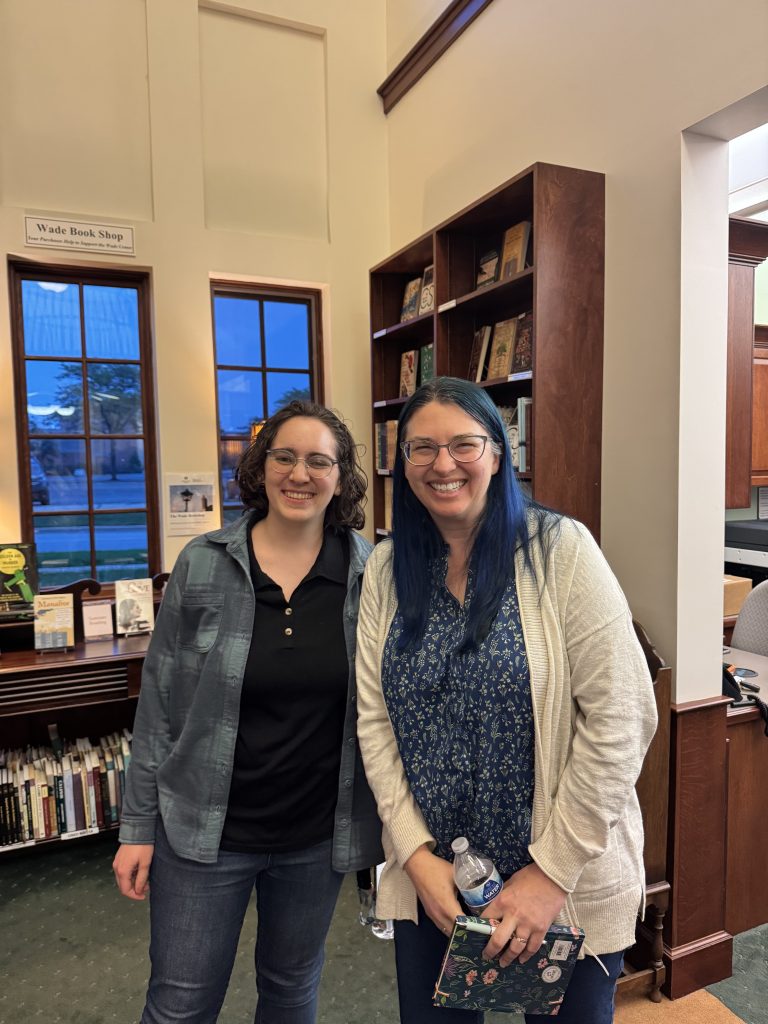
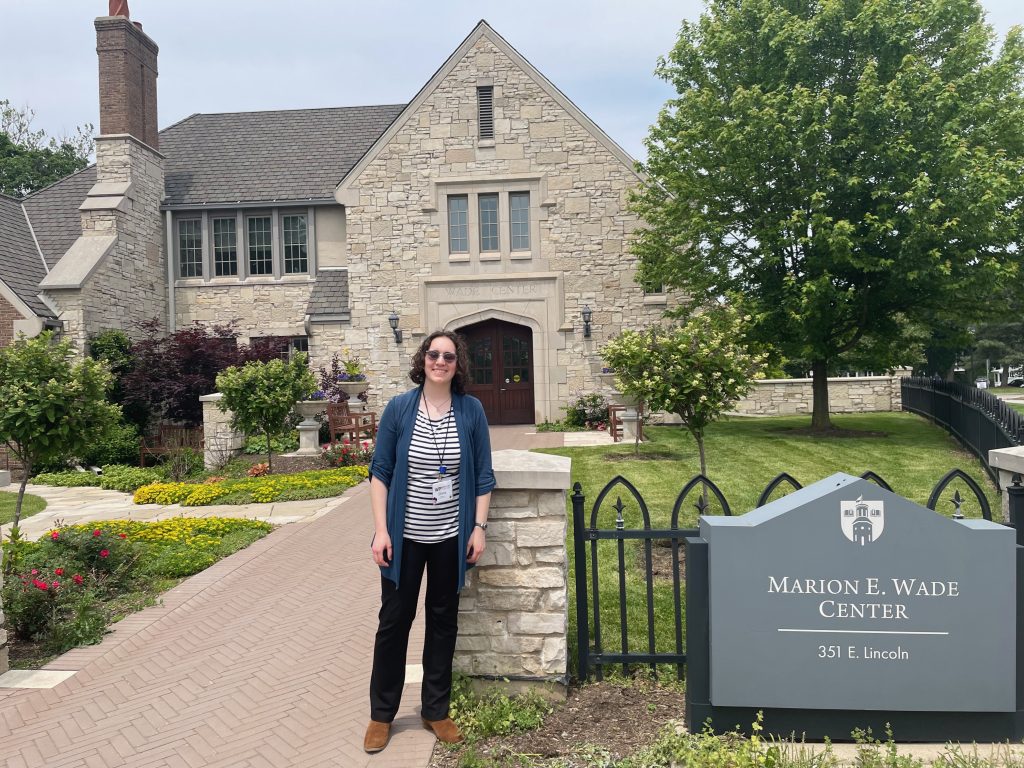
The week before the conference, it just so happened that I attended a fascinating lecture on Dorothy L. Sayers at the Wade Center—where I ran into Becky Antkowiak, CEO of the Christian Writers Institute and Write to Publish Conference. I am so thankful for this incredible conference and gathering of Christian writers that she and her team made possible. And I love Becky. She gave me hugs whenever I saw her. ❤️
A Chicken Consultant and Other Remarkable People
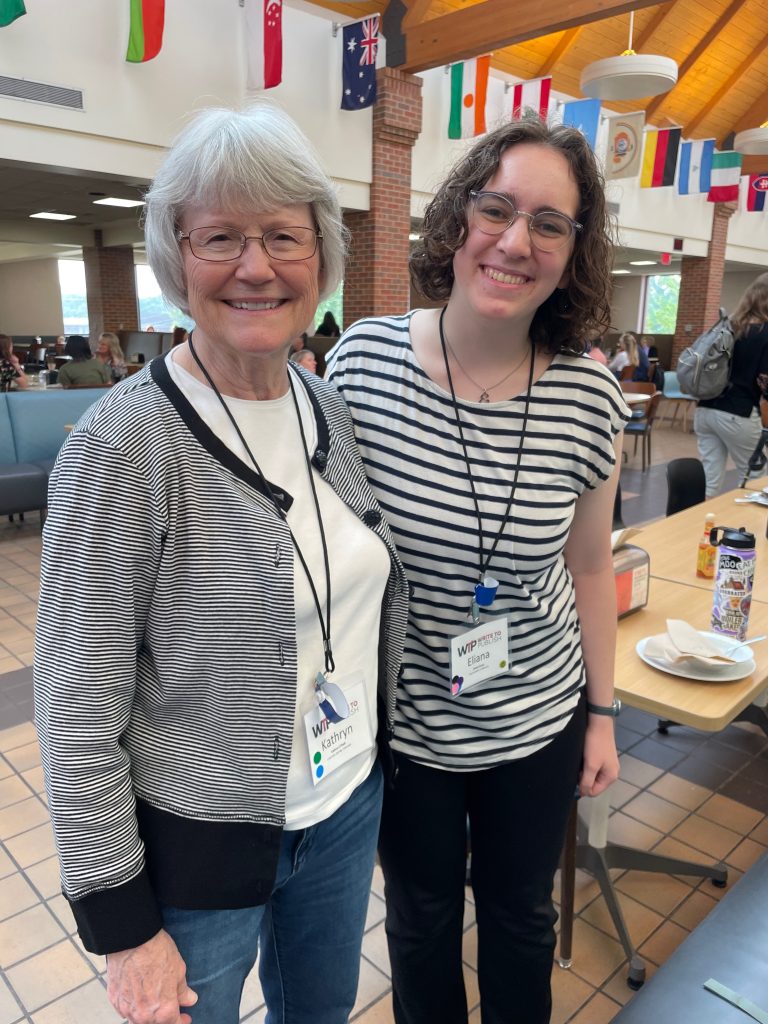
As I attended sessions and workshops, I learned about strategizing book marketing, communicating tone in prose, and becoming a more productive writer, all while hearing examples of powerful storytelling. The main speakers included Tim Challies, Tim Shoemaker, and Saundra Dalton-Smith. Additionally, I met upcoming Tyndale author Kathy O’Neill and made so many other wonderful connections.
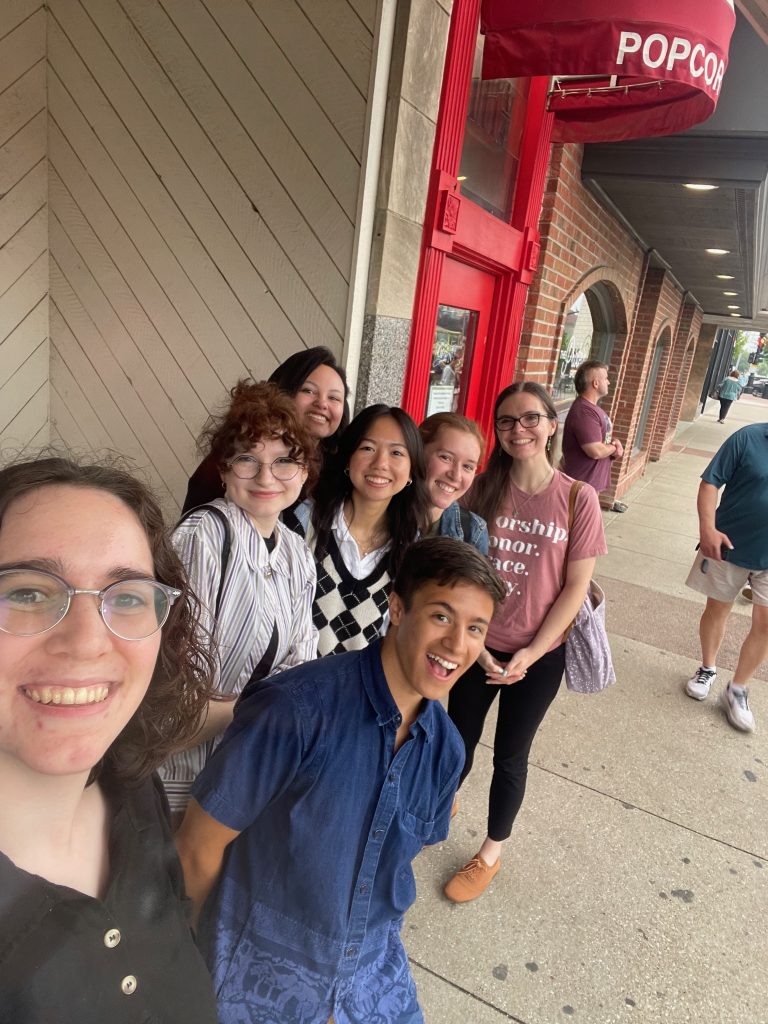
I found out about Write to Publish through the Young Writers Workshop, a remarkable online program I have been involved in for many years. It was a delight to meet my instructor Josiah Degraaf (author of A Study of Shattered Spells) and a few Author Conservatory students, alongside several other ambitious, accomplished, and exceptional young writers! (Are you part of a homeschool family looking for good reads? Check out The Radical Reader blog by Chloe Ann.)
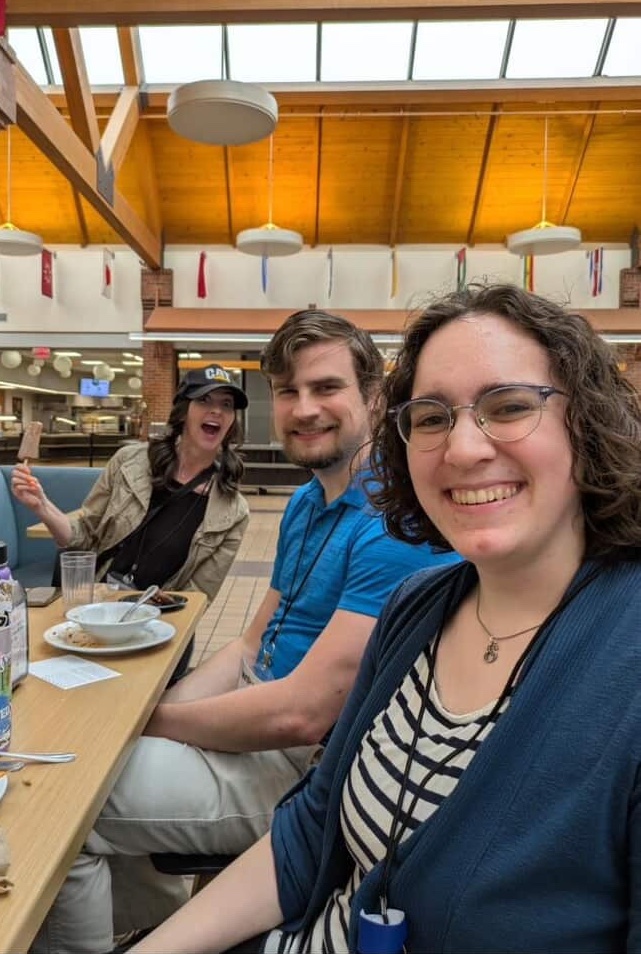
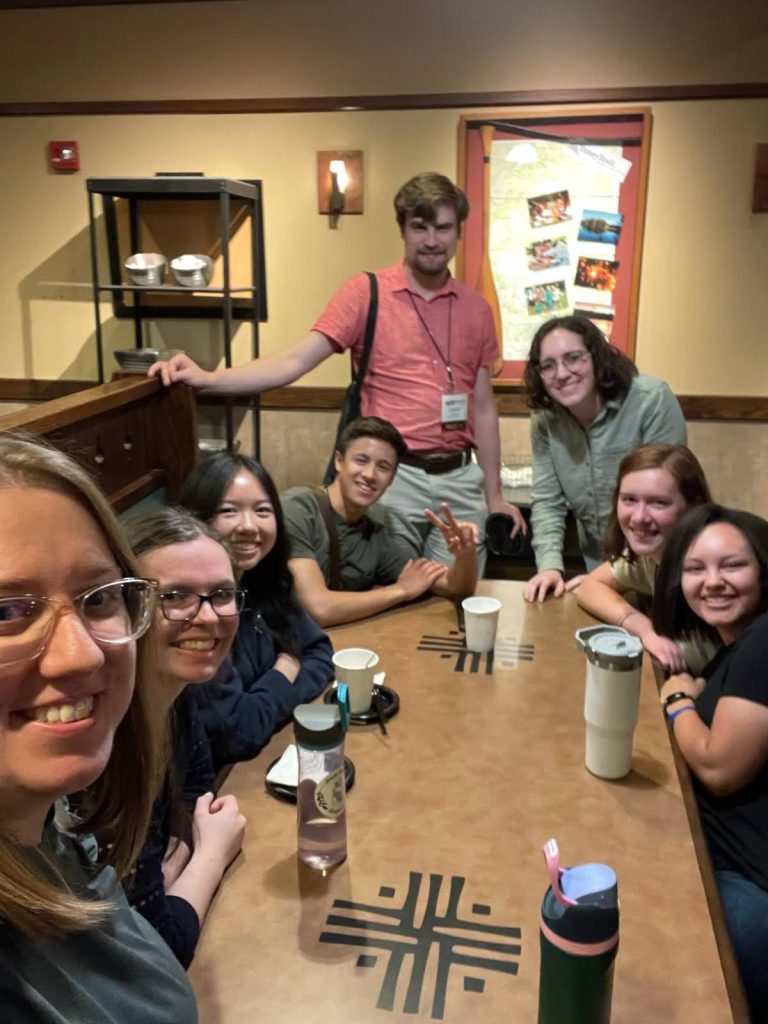
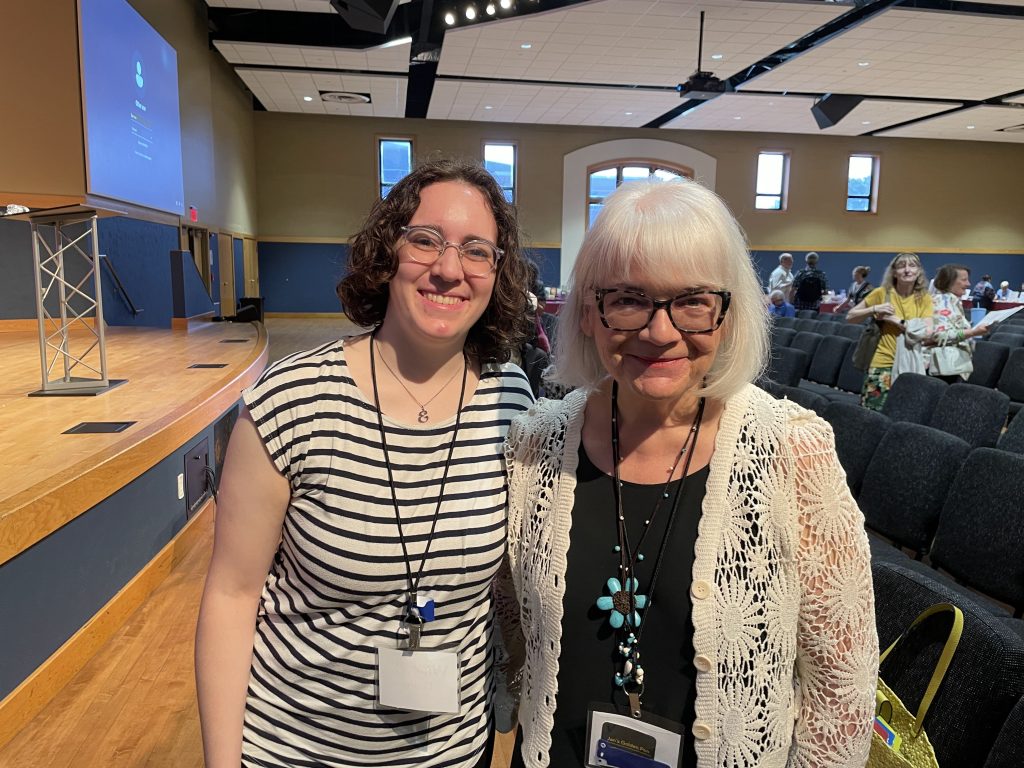
Near the beginning of the conference, I met a wonderful woman named Mary Wooten. She writes about Old Testament prophets for kids—in rhyme! I got to read a couple of her manuscripts for picture books, and they were delightful. It seems like exactly the kind of thing I would love to buy and read to my siblings, so I am hoping that she will get published soon!
Seriously, I got to meet so many cool people that week. I even met Jennifer Murtoff, who is a writer, editor, and translator by day … and a chicken consultant by night. If you are trying to start a chicken coop, you know who to call.
We Laughed, We Cried
During the conference, I first hand experienced how storytelling has the power to make an audience laugh. (See Lesson #3.) I also experienced the power of storytelling to bring an audience to tears. The most meaningful session I attended was the last one by Tim Challies: “Writing Through the Peaks and Valleys.”
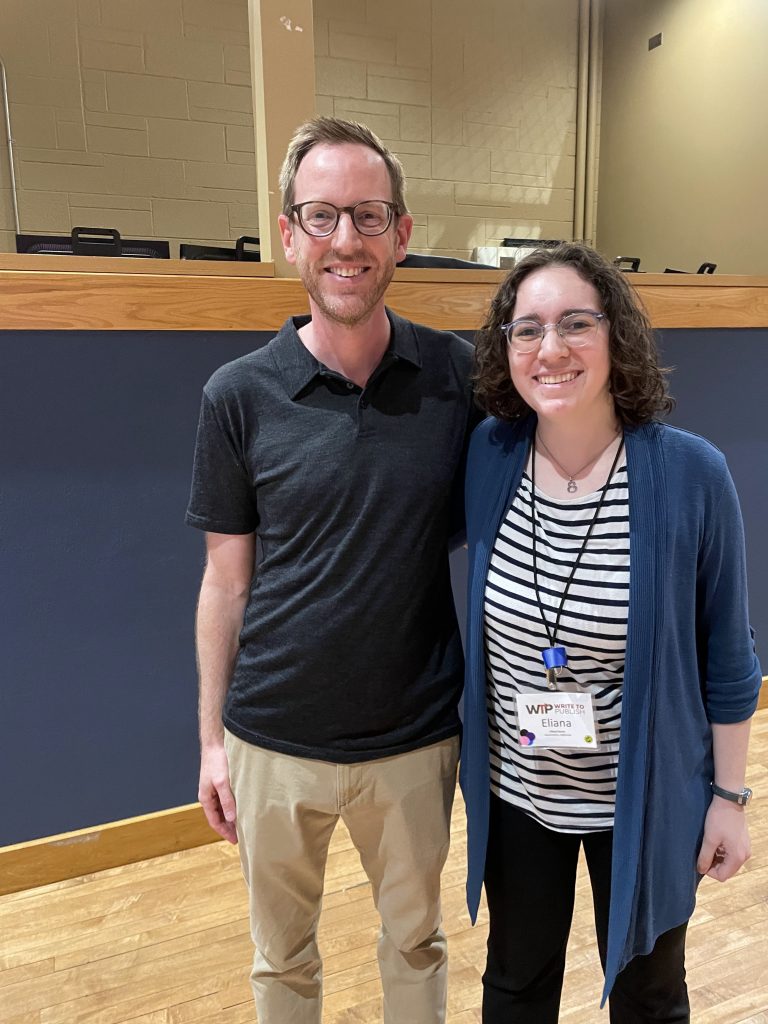
Challies shared how valuable it is to write through the highs and lows of life, because your writing can capture an emotional moment before the memory fades away. He read his post, “Goodnight Till Then,” aloud to us, recalling the unexpected death of his son. I was moved by his love for his son, how he wrote letters to Nick when he started college, and this bittersweet moment where he wrote his son one last letter.
Someone passed me a tissue, because she saw that I was dabbing my eyes. And I knew I wasn’t the only one brought to tears—there were sniffles to be heard all across the room. Then Challies read “Daddy, How Do I Look?”—a happy, sweet piece that captured his deep, fatherly affection for his daughter, when she was growing up too fast. I kept crying. Writers who can put such love into their words can create such emotionally moving and beautiful pictures.
Four Lessons of Faith and Writing
#1: When I take an honest look at my pride and motivations, I can better understand how to pursue Christ.
It is an easy thing to slip into pride in a professional conference setting. I love telling people that I have already had two publishing internships and now I’m doing a third—it makes me feel very impressive.
However, I’ve been reading Ecclesiastes, and this prideful mindset doesn’t mesh very well with the fact that my reputation and I are going to die one day. It also doesn’t mesh very well with my others-focused career goal, which is helping authors connect with their readers. The conference offered me an opportunity to take a closer look at my pride and motivations.
As the opening session of the conference, Eric Redmond, a professor from Moody Bible Institute and a pastor, taught from Philippians 3:12-16. He illustrated one of his points by sharing how there is a difference between what it looks like for him to love and enjoy his wife, and what it looks like for him to just want her approval.
This applies to writing as well: Are we writing to enjoy a gift that God has given us, or are we writing to gain the approval of other people? And of course, this applies to my faith: Am I pursuing God or am I pursuing approval?
I press on toward the goal for the prize of the upward call of God in Christ Jesus. Let those of us who are mature think this way, and if in anything you think otherwise, God will reveal that also to you. — Philippians 3:14–15 (ESV)
I’m still thinking about this verse and what it means that God will reveal “that” to us. My current understanding is that it means, if I start pursuing anything other than Christ, I can trust that God will show me the error of my ways through Scripture and the Holy Spirit working in my conscience. (If you have thoughts on what this verse means, please do share with me in the comments!) It is a comfort to know that God is in the process of sanctifying my motivations, even if they aren’t perfect now.
#2: God has given me gifts, skills, and experience to share.
I heard Becky Antkowiak speak about praying for opportunities to encourage writers, and I started doing the same. The only obstacle was that I was one of the youngest and least advanced writers there.
Yet still, God showed me that He has given me gifts, skills, and experience to share in this setting. Whether it was offering advice to two high school seniors or praying with a fellow believer, He answered my prayer to encourage other writers every day. Most of all, there were many, many authors who wanted to connect with their readers, but were overwhelmed by the idea of building a platform. This affirmed my decision to study marketing and pursue it as a career, especially in the publishing industry.
#3: Humor and oral storytelling are valuable assets in a writer’s toolbox.
Say It with Humor
Two days into the conference, I was beginning to feel pretty exhausted, so I went to a session called “Say It with Humor” with Twila Belk, hoping to sit back and turn my brain off for a little bit. I was surprised to hear about all the benefits of humor:
- Grabs attention and engages the audience.
- Builds rapport, helping your audience to see you as a friend.
- Emphasizes your main points with memorable illustrations.
- Relieves tension, disarms hostility, and allows your audience to receive your message.
- Etc., etc., etc…
It is not easy to capture in writing, but what a powerful tool! For example, if I were verbally telling you about my “small aspirational existential crisis,” I think you would know from my tone that I am poking fun at myself. I find it really valuable to think about my life on a deeper level, and I don’t mind laughing about the fact that this is something I do on many of my weekends. Did my amused tone come through in the first line of my introduction or did you just feel sorry for me? Certainly this is something I need to work on.
Oral Storytelling
Additionally, I heard many examples of oral storytelling, whether it was a speaker up on a stage or a few authors around a cafeteria table. (I don’t know her name, but if you ever meet this one author, you’ll need to ask her about her pink Christmas tree.) As I listened, I realized that retelling amusing or surprising events from our lives is a fantastic way to practice storytelling. It helps us gauge the pacing and remarkability of our stories as we watch our audience react in real time.
#4: I want to write with generosity.
Tim Challies shared seven or eight factors that caused his blog to take off, and one was, “I gave away what I had.”
He talked about his early days of blogging, and how he saw other writers and authors as competitors. His readers had limited time, so he wanted to keep them on his blog.
Then he had a change of heart. Desiring to be a faithful steward of his readership, he began to freely recommend books and even blogs that he considered better than his. He used his platform to support other writers, even if he might be giving his readers away. This actually built more trust with readers and got his blog to where it is today.
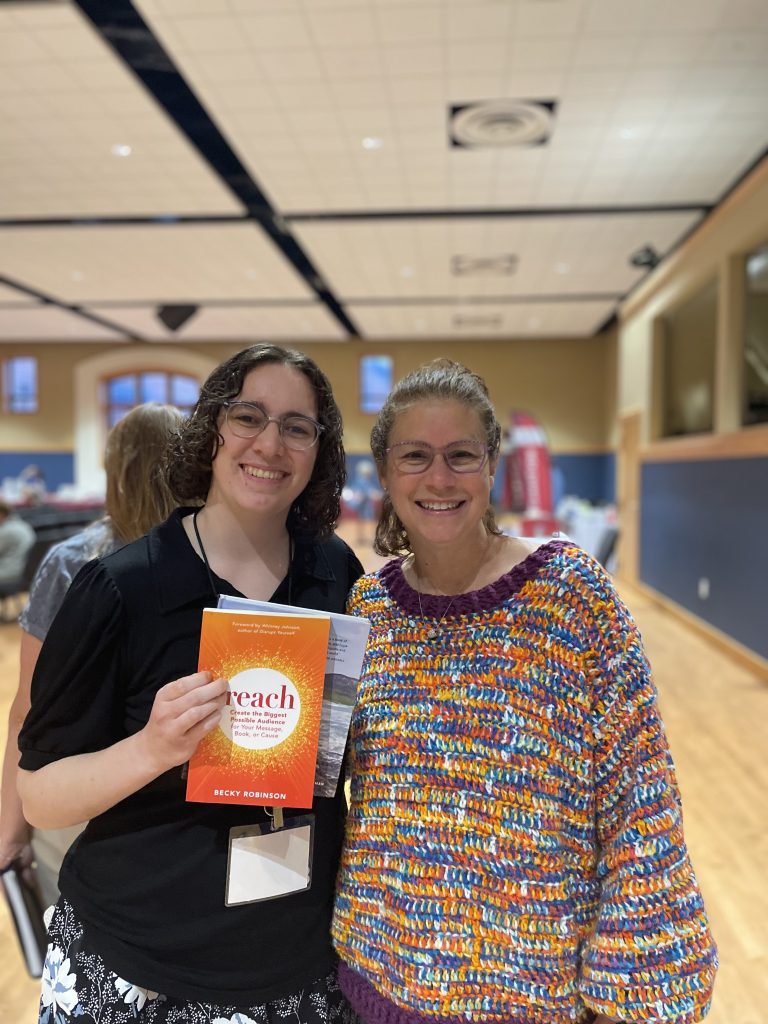
I was also inspired by how freely speaker Becky Robinson gave away her book, offering copies to so many of us with no charge. “Books are seeds,” she said. “The more you send out into the world, the more your ideas can flourish and grow.” Since she relies on her business for income rather than her books, she is able to give away hundreds of books. Sometimes, people who are given a book will enjoy it enough to buy it for others.
I would love to be able to do something like this someday, rather than worrying too much about making money from my book. Both speakers also recommended freely giving away the content of your book when you engage with readers through a blog or social media, rather than trying to hold back. I think having this kind of heart about your writing can make a huge difference in how you define success.
Your Turn + More Free Conference Notes
There’s more I could share (ask me about the impromptu speech a writer gave in the middle of a session!), but this blog post has gone on for a while, so I think I’ll stop here. Please share your thoughts in the comments… Have you been to a writing conference before, or would you ever go to one? When was a time that a speaker especially moved you?
If you are looking for more free conference notes, I wrote a blog post back in 2022 after my best friend and I went to our first writing conference. It was fun to look back on this post, to see the blessings that came from that experience and similar ponderings about writing motivations!
Writing Conference Takeaways (Why Realm Makers 2022 Was Awesome!)
I will say, the post is a lot less wordy and a lot more skimmable than this one is. Perhaps my blog is just getting more loquacious as I get older. 🤔
Leave a Reply